
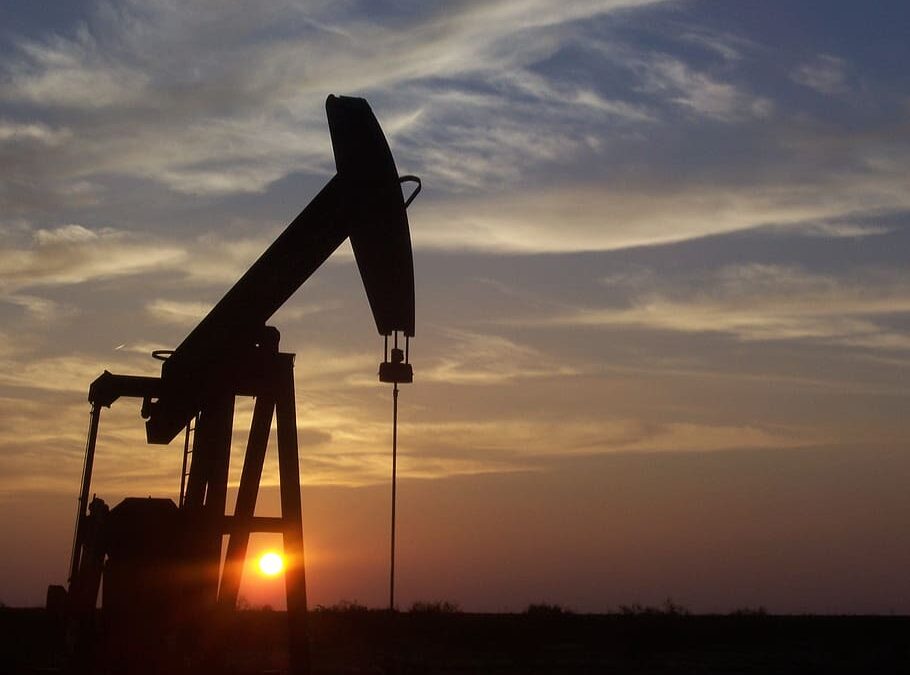
SOURCE: Piqsels
Improving Conditions Signal Strength, Even as Global Risks Persist
Oil and gas activity across Texas and the broader region showed renewed momentum at the start of 2026, reflecting the resilience of an industry that has spent much of the past year navigating uncertainty.
According to the Federal Reserve Bank of Dallas, energy sector activity expanded for the first time in nearly a year. The Dallas Fed’s latest survey of oil and gas executives points to a broad-based improvement in operating conditions, particularly among oilfield service companies that support drilling and production.
The business activity index rose sharply into positive territory this quarter, a clear sign that the industry is regaining its footing after a prolonged period of caution. Outlooks have also improved, with more firms expressing confidence in the direction of the market, even as uncertainty remains elevated.
From a Texas oil and gas perspective, this rebound reinforces a familiar theme: the industry responds deliberately, not reactively. Even with oil prices strengthening in recent months, most large producers are maintaining disciplined investment strategies. Nearly 70 percent of major exploration and production firms reported no changes to their drilling plans, underscoring a continued focus on capital efficiency and long-term stability.
At the same time, smaller operators are beginning to cautiously expand. A majority indicated plans to increase drilling activity this year, suggesting that higher prices are beginning to support incremental growth, particularly in key regions like the Permian Basin.
Global dynamics remain a central factor shaping decision-making. Ongoing geopolitical tensions, including conflict in the Middle East, continue to create uncertainty around future supply and pricing. While recent developments have introduced the possibility of de-escalation, oil markets remain sensitive to shifting conditions.
Even with that uncertainty, production across Texas and the surrounding region has held steady. Both oil and natural gas output remained largely unchanged from the previous quarter, a reflection of the industry’s measured approach to growth. Employment levels also remained stable, though increased working hours suggest rising operational activity beneath the surface.
Looking ahead, executives expect oil prices to moderate, with average projections placing West Texas Intermediate crude in the mid-$70 range by year’s end. That range supports continued investment without the volatility that can disrupt planning.
For Texas, the takeaway is clear: steady, disciplined production continues to anchor both domestic and global energy markets. As conditions improve, the state’s oil and gas industry remains positioned to scale responsibly, supporting jobs, investment, and energy security.
In a world of ongoing uncertainty, Texas energy once again demonstrates its defining strength, not rapid swings, but consistent, reliable performance when it matters most.
