
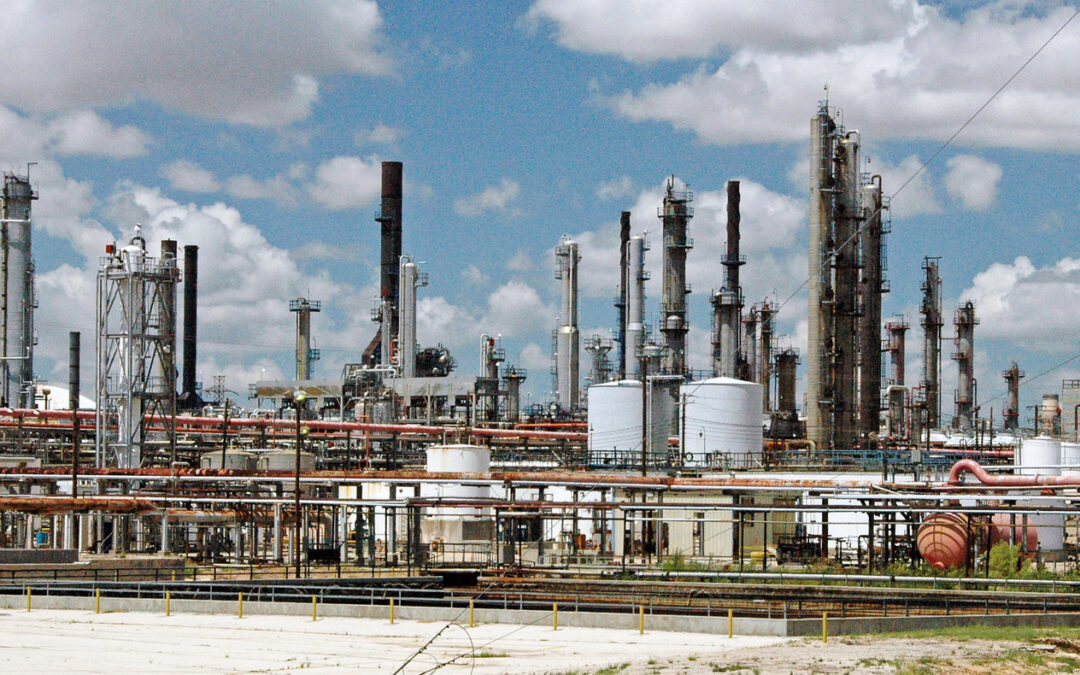
Source: Flickr
Pipeline Investment Keeps Pace with Surging Natural Gas Demand
In Texas, energy leadership is built. And right now, it’s being built in steel. New analysis from Morningstar DBRS confirms what producers, midstream operators, and communities across the state already know: natural gas demand is rising, and Texas is responding. By 2026, natural gas pipeline construction across Texas and the surrounding region is expected to reach its highest level in nearly two decades, ensuring reliable energy delivery for consumers at home and abroad.
According to the report, 12 new and expanded natural gas pipeline projects in Texas, Louisiana, and Oklahoma are scheduled for completion in 2026. Together, they will add approximately 18 billion cubic feet per day (bcf/d) of capacity, more than the total daily natural gas consumption of Canada and the largest single-year capacity increase since 2008.
Texas sits at the center of this growth. Roughly 65 percent of the new capacity will originate in the Permian Basin, the most productive energy region in the world. Four major projects–Apex, Blackcomb, Blackfin, and Hugh Brinson–will account for nearly 11.7 Bcf/d of new takeaway capacity, easing constraints and supporting continued production growth.
Associated natural gas production in the Permian has grown approximately 20 percent year over year between 2014 and 2024, reflecting both increased oil production and rising gas-oil ratios. Across the Permian, Eagle Ford, and Bakken plays, natural gas now represents 40 percent of total production, up from 29 percent a decade ago. That trend is expected to continue.
At the same time, demand is accelerating. Liquefied natural gas exports, power generation, data center expansion, and the reshoring of U.S. manufacturing are all increasing the need for reliable, affordable natural gas. Morningstar DBRS projects U.S. dry gas production will grow steadily through 2030, and that outlook doesn’t even fully capture the growth in associated gas from oil-focused basins.
The result is a clear infrastructure imperative. Pipelines are the safest, most efficient, and lowest-emissions way to move natural gas at scale. Expanding this network ensures energy reaches markets when and where it’s needed, while supporting jobs, economic growth, and energy security.
For Texas, the benefits extend well beyond the wellhead. Pipeline construction means thousands of skilled jobs, increased local tax bases, and long-term revenue that supports schools, roads, and emergency services. It also strengthens America’s position as a global energy leader, providing allies with reliable supplies while keeping energy affordable at home.
Importantly, industry analysts note that strong demand fundamentals reduce the risk of overbuilding. This is disciplined investment aligned with real-world consumption, not boom-and-bust speculation.
Texas has always understood that energy infrastructure is economic infrastructure. From the Permian Basin to export terminals on the Gulf Coast, pipelines form the backbone of modern life, powering homes, businesses, hospitals, and data centers across the nation.
Once again, Texas oil and natural gas producers are doing what they’ve always done: meeting growing demand with innovation, investment, and results, and building the energy systems that keep Texas, and America, moving forward.
