
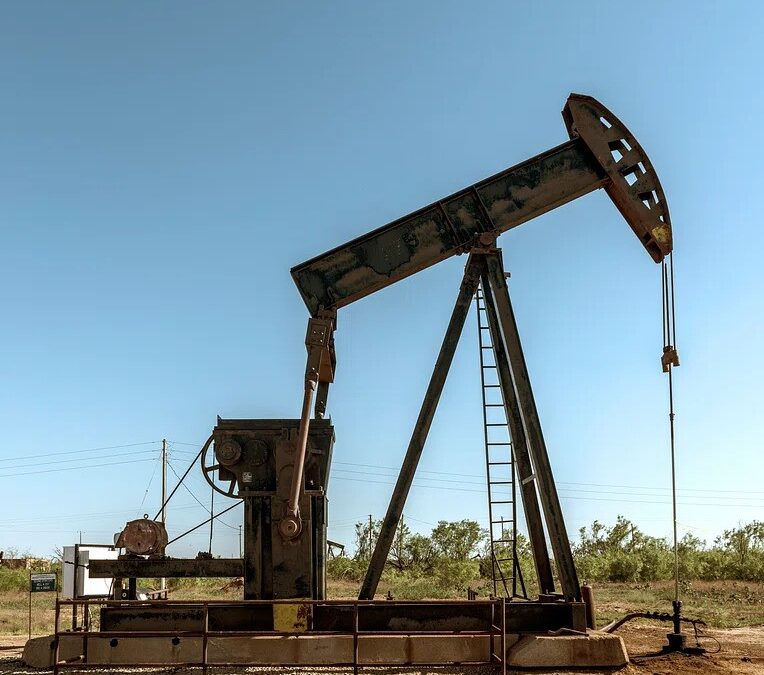
Source: RawPixel
Texas producers are proving that technology, not rhetoric, is what powers record output, stronger recovery rates, and long-term energy security.
In Texas, energy leadership is built on results, and in the Permian Basin, the results keep getting bigger. New technology is driving steady gains in oil and natural gas production, helping operators deliver more energy with fewer rigs, lower costs, and greater efficiency year after year.
Industry leaders say the Permian is becoming the global center of oilfield innovation, with tools like artificial intelligence, machine learning, and “digital twins” transforming how companies drill, complete, and manage wells. These digital twins create virtual replicas of real-world operations and connect directly to real-time field data, allowing operators to predict maintenance needs, reduce downtime, and optimize performance across an entire asset.
Texas Oil & Gas Association President Todd Staples said the modern industry increasingly looks like a technology sector, because that’s what it has become. Staples pointed to historic productivity gains across the Permian Basin, including a 430 percent increase in oil production between 2015 and 2025. He called the surge “a testament to the can-do attitude of the men and women in the oil patch” and the industry’s commitment to science-based solutions that enable more output with less.
And the runway for growth remains long. Staples noted that shale recovery rates are still relatively low, roughly 5–10 percent for oil and 10–20 percent for natural gas, meaning there’s significant upside as enhanced recovery techniques and new technologies continue improving what producers can pull from existing resources. He added that AI is already boosting operational efficiency, and as these tools mature, the potential for higher recovery and greater production will only expand.
Permian Basin Petroleum Association President Ben Shepperd echoed that point, emphasizing how quickly operators have innovated despite price instability and regulatory uncertainty. He said “everyone has learned more and every basin has benefited” from the leadership coming out of “America’s Oilfield,” particularly as companies seek to increase recovery factors in unconventionals closer to conventional averages.
That effort includes both improved fracking techniques and new enhanced oil recovery methods, along with major breakthroughs in water treatment. Shepperd highlighted growing investments in produced-water treatment technologies aimed at beneficial reuse, an area that could reduce strain on infrastructure while unlocking new efficiencies for continued growth in Texas.
Technology is expanding what’s recoverable, lowering break-even costs, and extending field life, even as rig counts stay lean. From service leaders to startups and research partnerships, innovation continues to push the Permian forward. Once again, Texas oil and natural gas producers are doing what they’ve always done: meeting global demand with investment, ingenuity, and results.
